
Soil & Compost
What Panchgavya Is—and What One Compost Analysis Shows
A transparent explanation of Panchgavya, the values recorded in one compost analysis and the important limits of that report.
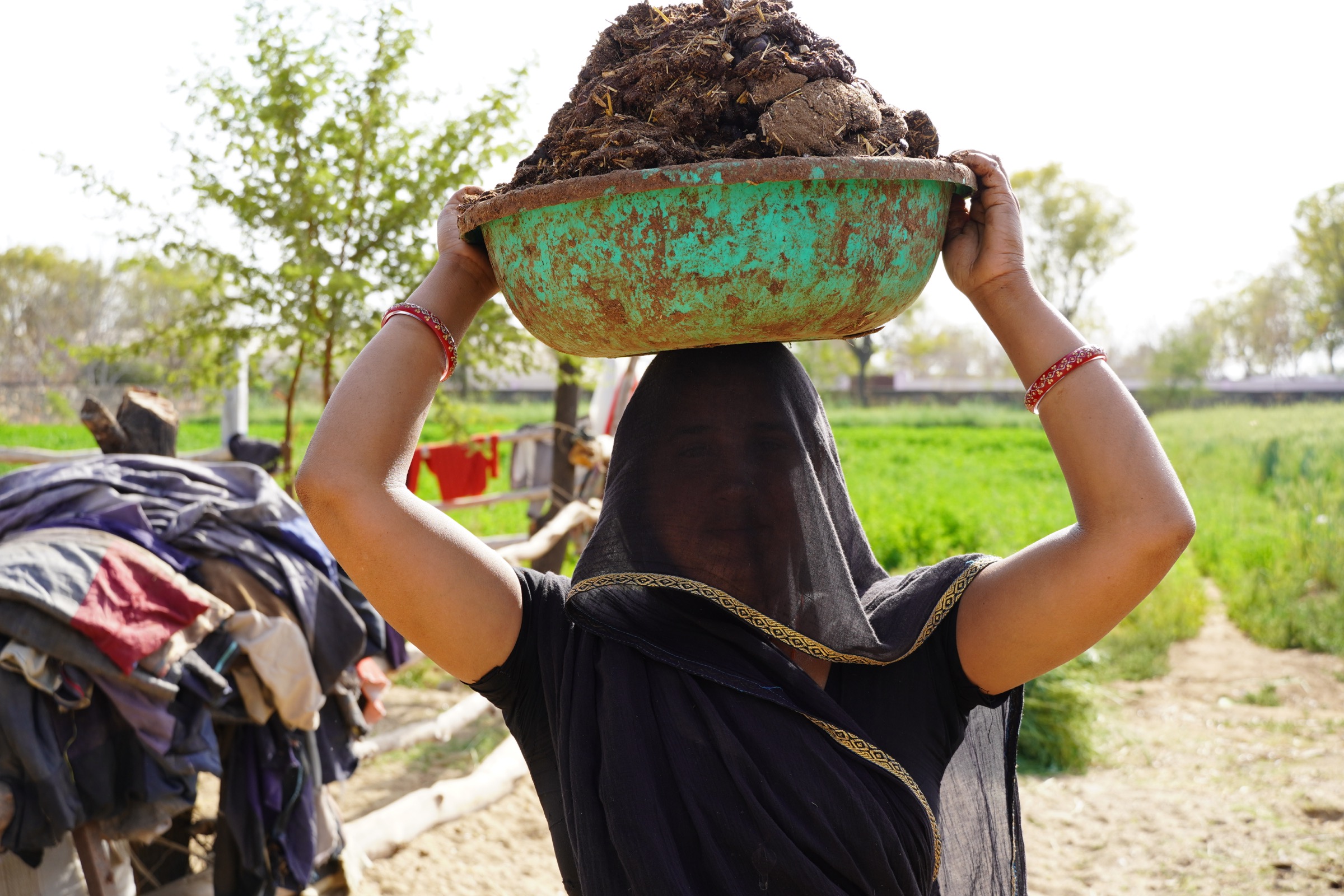
Panchgavya begins with five cow-derived ingredients: dung, urine, milk, curd and ghee. Traditional preparations ferment these ingredients, sometimes with additions that support the fermentation process.
A solid form for practical use
At 19AGRO, this agricultural tradition informs a solid compost formulation intended for application around garden plants, fruit trees and cultivated soil. It should be used as part of wider soil, water and crop management—not as a substitute for observation or testing.
What one analysis recorded
A compost sample was analysed by the Division of Natural Resources at ICAR–Indian Institute of Horticultural Research under Report No. 19/LAL/Report/2021–22, dated 8 February 2022.
- Total Nitrogen: 2.21%
- Total Phosphorus: 1.04%
- Total Potassium: 2.10%
- Total Calcium: 6.82%
- Total Magnesium: 1.17%
- Total Sulphur: 0.12%
- Total Iron: 85.7 ppm
- Total Manganese: 316.6 ppm
- Total Zinc: 48.5 ppm
- Total Copper: 17.1 ppm
What the report does—and does not—establish
The results confirm that the submitted sample contained the reported major, secondary and trace nutrients. They describe one sample only. Natural compost can vary with raw materials, preparation, maturity and storage.
The report is advisory. It is not certification, product approval or an endorsement by ICAR–IIHR. It does not measure microbial diversity, crop yield, disease control or long-term soil improvement.
The report records the submitted sample under the name Mr Lakshmi Kantha B. L. and does not identify a commercial product or 19AGRO by name. We therefore present it as one compost analysis—not proof of every present or future batch.
Traditional knowledge deserves respect. Customers deserve the same level of clarity about what has—and has not—been measured.