
Water & Seasons
Choosing an Irrigation System: Drip, Sprinkler or Flood
Compare three common irrigation approaches by crop, soil, water supply, field shape, labour and maintenance—not fashion alone.
The best irrigation system is the one that fits the crop, soil, water source, field shape and people who will maintain it. No single method is right for every farm.
Drip irrigation
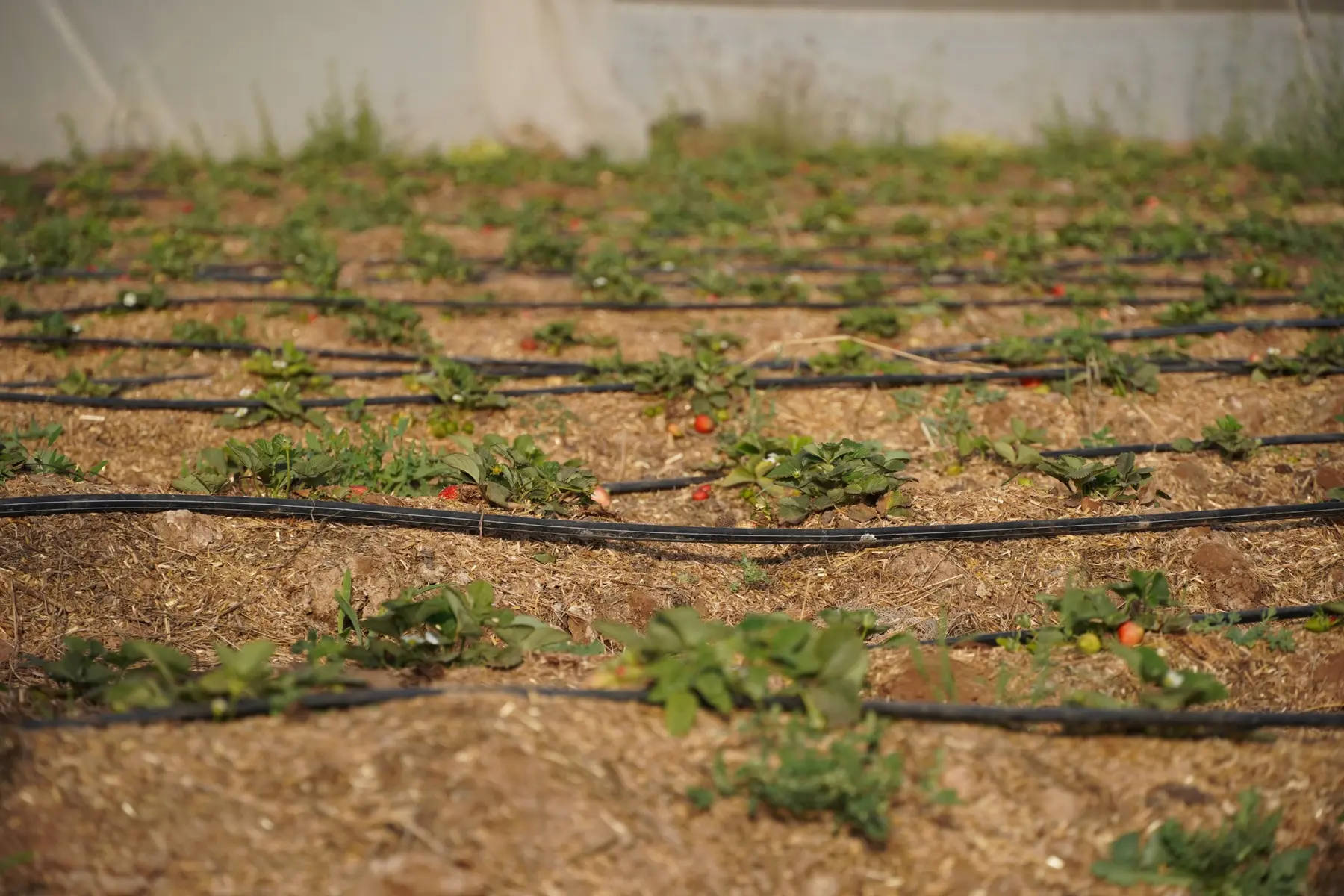
Drip delivers water close to the root zone. It can reduce evaporation and weed growth between rows, but filters, pipes and emitters need regular inspection. A neglected drip system may look efficient while distributing water unevenly.
Sprinkler irrigation
Sprinklers can cover closely planted crops and irregular areas. Wind and evaporation can reduce uniformity, while frequent wetting of foliage may be unsuitable for some crops or disease conditions.
Flood, basin or furrow irrigation
Surface irrigation can be simple and practical where land, soil and water availability permit. Poor levelling or timing may create dry patches, waterlogging or unnecessary losses.
How to decide
- Measure the water that is reliably available, not just the source's peak output.
- Match delivery to the crop's root zone and spacing.
- Observe how quickly the soil accepts and holds water.
- Include installation, energy, labour and maintenance in the cost.
- Choose a system the farm team can inspect and repair.
Begin with the land in front of you. An irrigation system should follow the farm plan—not force the farm to follow the equipment.